

Drawing two figures that look genuinely connected, not just two separate people placed next to each other, can be a real challenge. This article aims to give you a practical guide filled with ideas, tips, and reference concepts for creating natural and dynamic couple poses. Whether you’re a beginner or an experienced artist, I’ll cover a range of ideas from simple and sweet poses to more complex, action-oriented sketches.
Understanding the fundamentals of interaction and weight is key to making any pose believable. We’ll also dive into how to convey emotion and story through posing.
The Foundation: Anatomy of a Connected Pose
When you think about a couple as a single unit, the center of gravity becomes crucial. It’s not just about each person’s balance but how they move together. This shared center helps create a more natural and believable pose.
Points of contact are where the figures touch—hands, shoulders, hips. These points dictate the pose. They show how the two figures interact and support each other.
For example, a hand resting on a shoulder looks different from a hand gripping it. The pressure and weight distribution tell a story.
Leading lines and flow guide the viewer’s eye through the interaction. Imagine a line that starts at one figure’s hand and moves to the other’s shoulder. This line should be smooth and continuous, making the pose feel connected and fluid.
Let’s use a simple hug as an example. When the torsos press together, it shows intimacy and connection. The arms wrap around each other, creating a natural embrace.
The way the arms wrap and the pressure they apply can make the hug look gentle or intense.
Understanding these elements helps you create poses that are not just visually appealing but also emotionally resonant.
Sweet & Simple: Poses for Heartwarming Sketches
Drawing simple, low-action poses can be a great way to convey quiet intimacy. Some might argue that these poses are too basic, but I think they’re perfect for beginners and for creating a sense of warmth and connection.
Holding Hands, and this is a classic. You can draw it with intertwined fingers , loosely held , or one hand leading the other .
Each variation tells a different story.
Leaning. Picture one person’s head resting on the other’s shoulder or lap. The slight shift in weight and posture adds a lot.
It shows trust and comfort.
Back-to-Back, and this pose can go two ways. With relaxed expressions, it shows comfortable companionship.
Add playful conflict with a slight twist or a teasing smile.
A Gentle Embrace. A simple hug from the side or behind. Focus on the placement of hands—on the waist, shoulder, or arm.
It’s all about the small details.
Some might say these poses are too simple. But I believe it’s the small details that make them stand out. The curve of the spine, the tilt of a head—these add realism and emotion.
Remember, it’s not about complexity. It’s about capturing the feeling of the moment.
Dynamic & Energetic: Capturing Couples in Motion
I love seeing couples in motion. It’s not just about the pose; it’s about the energy and the story. Let’s dive into some dynamic poses that can make your sketches more engaging.
Pose Idea 1: Dancing
Dancing is a classic. Break down a simple dance pose, like a dip or a twirl. Focus on the lines of action and the distribution of weight.
The key is to show the flow and the connection between the two figures.
Pose Idea 2: The ‘Piggyback Ride’
This one’s a bit tricky. To make it believable, show the strain in the carrier’s posture and the relaxed posture of the rider. It’s all about balance and the subtle details that make it look natural.
Pose Idea 3: Running or Walking Together
Synchronizing their gaits is crucial. You want them to look like they are moving as a pair, not just two separate running figures. Pay attention to the rhythm and the way their bodies align.
Pose Idea 4: A Playful Lift
One person lifting the other, and it’s all about core engagement and balance. Both figures need to be in sync.
The lifter’s core should be engaged, and the lifted person should have a balanced, almost floating, appearance.
| Pose | Key Elements |
|---|---|
| Dancing | Lines of action, weight distribution |
| Piggyback Ride | Strain in carrier, relaxed rider |
| Running or Walking Together | Synchronized gaits, aligned bodies |
| Playful Lift | Core engagement, balance |
Pro tip: Use gesture drawing techniques to capture the initial energy of these poses before adding details. It helps to get the movement right from the start.
And hey, if you’re into coordinating movements, check out shot calling 101 leading your squad to victory. It’s all about teamwork and coordination, just like in your sketches.
Sketching the Story: Poses That Convey Emotion
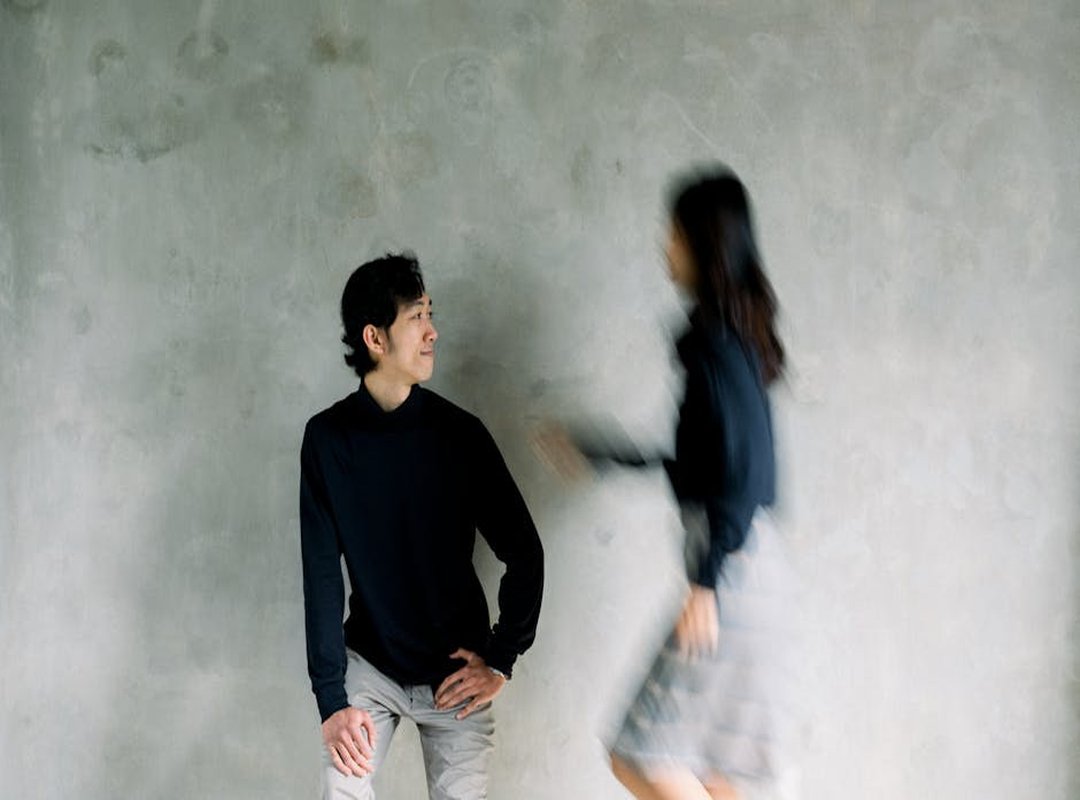
Every pose tells a story. It’s up to you, the artist, to control that narrative.
I remember when I was sketching a scene for a comic. I wanted to show a character feeling both comfort and desperation. A simple hug did the trick.
A loose, gentle hug conveyed comfort and warmth. A tight, strained hug showed desperation and fear.
Body language is key, and closed-off arms can signal defensiveness or discomfort. Distance between figures can mean anything from tension to loneliness.
Direct eye contact can be confrontational or intimate. It all depends on the context.
Base couple poses drawing
Hands are a small detail that add a lot of emotional depth. Are they clenched in anger, and relaxed in peace?
Caressing in affection, and each choice changes the story.
Think about the ‘before’ and ‘after’ of the moment you’re sketching. What led to this pose, and what will happen next?
This helps inform the emotional context and makes your sketches more compelling.
Your Next Sketch Starts Now
Starting with the fundamentals of connection, you’ve practiced simple poses and advanced to dynamic and emotional scenes. The key to great couple pose sketches is observing real-life interaction and understanding weight and balance.
Base couple poses drawing provides a solid foundation for more complex and expressive artwork.
Pick one specific pose idea from the article, like ‘the piggyback ride’ or ‘head on shoulder,’ and sketch it in the next 15 minutes. Practice and experimentation are the best ways to improve.
 Ask Donald Forestevalo how they got into expert breakdowns and you'll probably get a longer answer than you expected. The short version: Donald started doing it, got genuinely hooked, and at some point realized they had accumulated enough hard-won knowledge that it would be a waste not to share it. So they started writing.
What makes Donald worth reading is that they skips the obvious stuff. Nobody needs another surface-level take on Expert Breakdowns, Loadout Optimization Guides, Core Mechanics and Gaming Basics. What readers actually want is the nuance — the part that only becomes clear after you've made a few mistakes and figured out why. That's the territory Donald operates in. The writing is direct, occasionally blunt, and always built around what's actually true rather than what sounds good in an article. They has little patience for filler, which means they's pieces tend to be denser with real information than the average post on the same subject.
Donald doesn't write to impress anyone. They writes because they has things to say that they genuinely thinks people should hear. That motivation — basic as it sounds — produces something noticeably different from content written for clicks or word count. Readers pick up on it. The comments on Donald's work tend to reflect that.
Ask Donald Forestevalo how they got into expert breakdowns and you'll probably get a longer answer than you expected. The short version: Donald started doing it, got genuinely hooked, and at some point realized they had accumulated enough hard-won knowledge that it would be a waste not to share it. So they started writing.
What makes Donald worth reading is that they skips the obvious stuff. Nobody needs another surface-level take on Expert Breakdowns, Loadout Optimization Guides, Core Mechanics and Gaming Basics. What readers actually want is the nuance — the part that only becomes clear after you've made a few mistakes and figured out why. That's the territory Donald operates in. The writing is direct, occasionally blunt, and always built around what's actually true rather than what sounds good in an article. They has little patience for filler, which means they's pieces tend to be denser with real information than the average post on the same subject.
Donald doesn't write to impress anyone. They writes because they has things to say that they genuinely thinks people should hear. That motivation — basic as it sounds — produces something noticeably different from content written for clicks or word count. Readers pick up on it. The comments on Donald's work tend to reflect that.