

Winning consistently in competitive games isn’t just about quick reflexes—it’s about mastering the systems that decide matches before the final engagement even begins. If you’re searching for a deeper edge, this guide delivers exactly that: practical insights into core mechanics, smarter decision-making, optimized loadouts, tighter squad coordination, and high-level map control strategies that separate average players from true competitors.
Many players plateau because they focus only on aim or raw aggression. The real difference-maker lies in understanding positioning, timing, resource control, and team synergy. This article breaks down those elements into clear, actionable strategies you can apply immediately—whether you’re climbing ranked ladders or refining your tournament play.
Our insights are built on extensive analysis of competitive gameplay patterns, meta shifts, and proven tactical frameworks used at high levels of play. You’ll gain a structured understanding of how matches are won—and how to consistently put yourself and your squad in a position to dominate.
The Three Pillars: Information, Positioning, and Denial
For players looking to elevate their gameplay, mastering advanced map control strategies in tactical shooters not only enhances situational awareness but also complements the insights gained from our recent piece, “In-Depth Patch Analysis: What Changes Really Mean for Players.
Pillar 1 – Information Superiority
Winning squads in ranked lobbies don’t rely on luck. They track spawn timers on Control, call out jungle rotations in MOBAs, and ping footsteps in S&D before the push hits. Information superiority means gathering intel—audio cues, UAV sweeps, ward vision—while denying it to opponents. If the enemy can’t read your setup, they’re guessing (and guessing gets you sent back to spawn).
Pillar 2 – Positional Dominance
Holding high ground on Ascent mid or locking down a tight choke like King’s Row arch forces predictable engagements. Control sightlines, power angles, and high-traffic routes.
• Anchor power positions
• Crossfire common entries
• Rotate early, not late
This is where map control strategies win fights before they start.
Pillar 3 – Resource Denial
Think of map control as economic warfare. Starve enemies of power weapons, ult charge, safe rotates, and objective time—while stacking them for your side. No resources, no comeback.
Winning the Information War: Proactive Intel and Counter-Intel
Winning a match often comes down to information. In simple terms, intel (short for intelligence) means knowing where the enemy is, what they’re doing, and what they plan to do next. Without it, you’re guessing. And guessing gets you eliminated.
Proactive Intel Gathering
First, let’s clarify proactive intel. This means collecting information safely before committing to a fight. For example, recon tools like drones or scan abilities let you check corners without physically exposing your character. Think of it as sending a scout ahead instead of walking into an ambush (because no one enjoys being the opening frag).
Sound cue discipline is another key tactic. This means controlling your own noise—walking instead of running, reloading in cover—so enemies don’t gain free information about your location. Meanwhile, “jiggle-peeking” involves briefly stepping out from cover to bait a shot or confirm an enemy’s position, then retreating instantly. Done correctly, it reveals information with minimal risk.
Denying Enemy Vision
However, gathering intel isn’t enough. You must also deny it. Destroy enemy cameras or wards immediately. Use smokes to block critical sightlines, cutting off long angles. Even deceptive audio cues—like fake reloads or footsteps—can mislead opponents into rotating early.
Translating Intel to Action
Still, information is useless without communication. Use the “who, what, where” structure: Two enemies rotating (who), pushing fast (what), toward B site (where). Check the minimap constantly to build shared awareness. Use map control strategies in the section once exactly as it is given to reinforce positional dominance. When everyone processes intel together, the team moves as one informed unit.
Anchoring Your Position: How to Lock Down Key Territory
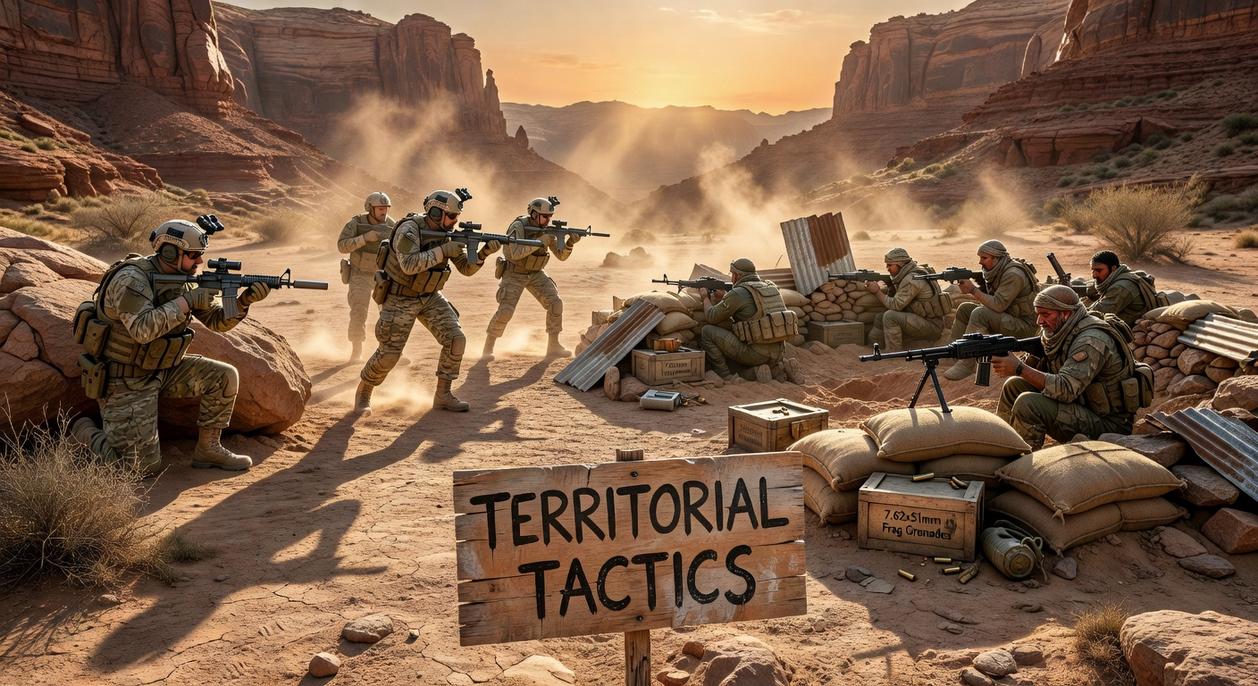
Locking down key territory isn’t just about racking up eliminations—it’s about control. When you consistently hold the right ground, you dictate pace, force mistakes, and turn chaotic rounds into calculated wins (think chess, but with flashbangs).
Identifying Power Positions
First, define a power position: any location that offers strategic advantage due to elevation, visibility, or access to multiple routes. High ground overlooking an objective, a central hub connecting lanes, or tight choke points are prime examples. These spots let you gather information, delay pushes, and support teammates quickly.
Some argue hyper-aggression wins more rounds. While early picks help, abandoning strong positions often hands momentum back to the enemy. Structured map control strategies consistently outperform reckless pushes because they create predictable engagements in your favor.
The Science of Utility Usage
Utility isn’t for panic-throwing. It’s for shaping space.
| Utility Type | Tactical Purpose | Benefit to You |
|---|---|---|
| Incendiaries | Block choke points |
Stall pushes and burn time |
| Stuns/Flashes | Disrupt vision and movement | Secure easy entries or holds |
| Deployable Cover | Create temporary angles | Strengthen weak positions |
By layering utility, you create “no-go” zones. For example, dropping an incendiary during a post-plant forces opponents to wait—or push through damage. Either way, you control the clock. Pro tip: use utility reactively after sound cues, not preemptively.
Mastering Rotations and Flank Control
Fast, coordinated rotations exploit enemy weaknesses without surrendering previous control. Leave a lurker—a stealth player guarding alternate routes—to prevent backdoor collapses. This balance protects your advantage while applying pressure.
Ultimately, strong positioning amplifies every other skill. And if you want to go deeper into sustaining advantages, explore mastering resource management in competitive matches. Control territory, control tempo, control the win.
Starve the Enemy: Winning Through Objective and Resource Strangulation
Objective-based pressure wins games. In tactical shooters, teams that plant first in over 60% of rounds convert at significantly higher rates because defenders are forced into predictable retake paths (Valve match data reports similar trends in CS events). When you center play around the bomb, flag, or payload, you dictate rotations and punish overextensions. That’s not theory—that’s observable tournament footage.
Controlling secondary resources compounds the squeeze. Ultimate orbs in Valorant accelerate power spikes by a full round cycle. Power weapon timers in Halo shift win probability dramatically when secured consecutively. These small edges stack (think Moneyball, but with rockets).
Setting tempo matters just as much. Apply map control strategies aggressively after a pick; consolidate when numbers are even and force desperation plays. Pro teams that slow post-advantage rounds statistically reduce throw rates. Starve them patiently, then close decisively.
Take Control of Your Next Match
You came here to sharpen your edge—and now you understand how tighter mechanics, smarter rotations, optimized loadouts, and disciplined squad coordination translate into consistent wins. The gap between average players and dominant competitors isn’t talent. It’s execution under pressure.
If you’ve been struggling with inconsistent performances, missed opportunities, or chaotic team fights, the real issue isn’t effort—it’s structure. Mastering map control strategies, refining your positioning, and syncing with your squad eliminates the randomness that’s been costing you games.
Now it’s time to apply what you’ve learned. Start reviewing your recent matches, adjust your loadouts with intention, and practice coordinated pushes with clear callouts. Small tactical improvements create massive competitive advantages.
If you’re serious about climbing ranks and outplaying stronger opponents, dive deeper into our advanced breakdowns and proven strategies trusted by competitive players. Don’t leave your wins to chance—level up your gameplay today and take control of every match.
 Brian Gibsonestico is the kind of writer who genuinely cannot publish something without checking it twice. Maybe three times. They came to core mechanics and gaming basics through years of hands-on work rather than theory, which means the things they writes about — Core Mechanics and Gaming Basics, Hot Topics in Gaming, Gamer Squad Coordination Tactics, among other areas — are things they has actually tested, questioned, and revised opinions on more than once.
That shows in the work. Brian's pieces tend to go a level deeper than most. Not in a way that becomes unreadable, but in a way that makes you realize you'd been missing something important. They has a habit of finding the detail that everybody else glosses over and making it the center of the story — which sounds simple, but takes a rare combination of curiosity and patience to pull off consistently. The writing never feels rushed. It feels like someone who sat with the subject long enough to actually understand it.
Outside of specific topics, what Brian cares about most is whether the reader walks away with something useful. Not impressed. Not entertained. Useful. That's a harder bar to clear than it sounds, and they clears it more often than not — which is why readers tend to remember Brian's articles long after they've forgotten the headline.
Brian Gibsonestico is the kind of writer who genuinely cannot publish something without checking it twice. Maybe three times. They came to core mechanics and gaming basics through years of hands-on work rather than theory, which means the things they writes about — Core Mechanics and Gaming Basics, Hot Topics in Gaming, Gamer Squad Coordination Tactics, among other areas — are things they has actually tested, questioned, and revised opinions on more than once.
That shows in the work. Brian's pieces tend to go a level deeper than most. Not in a way that becomes unreadable, but in a way that makes you realize you'd been missing something important. They has a habit of finding the detail that everybody else glosses over and making it the center of the story — which sounds simple, but takes a rare combination of curiosity and patience to pull off consistently. The writing never feels rushed. It feels like someone who sat with the subject long enough to actually understand it.
Outside of specific topics, what Brian cares about most is whether the reader walks away with something useful. Not impressed. Not entertained. Useful. That's a harder bar to clear than it sounds, and they clears it more often than not — which is why readers tend to remember Brian's articles long after they've forgotten the headline.