If you’re looking to sharpen your edge in competitive play, you’re in the right place. Whether you’re grinding ranked ladders or coordinating with a dedicated squad, mastering core mechanics and high-level decision-making is what separates consistent winners from everyone else. This article is built to help you understand not just what works, but why it works—so you can apply the strategies confidently in real matches.
We break down essential gameplay systems, squad coordination tactics, loadout optimization, and advanced movement techniques that directly impact your performance under pressure. Every insight is grounded in hands-on competitive analysis, in-depth match breakdowns, and a close study of evolving meta trends.
By the end, you’ll have a clearer framework for improving mechanical skill, refining team synergy, and making smarter in-game adjustments—so you can climb faster, play smarter, and outmaneuver opponents who rely on guesswork instead of strategy.
From Clumsy to Clutch: Mastering the Physical Side of Gaming Movement
As players dive into advanced movement techniques in competitive games, they often find themselves asking not only about their personal strategies but also about how these skills can enhance cooperative play, much like the insights discussed in our article on whether Obernaft can play with friends – for more details, check out our Can Obernaft Play With Friends.
“Why do I keep whiffing turns?” a teammate asked. The answer wasn’t strategy—it was posture.
Elite players treat their setup like athletes:
- Neutral spine, shoulders relaxed
- Elbows floating, not glued
- Light fingertip grip (think piano, not hammer)
One coach told me, “Your hands are your hitbox.” He’s right. Slouching compresses breathing; tension slows reaction time.
Skeptics argue talent matters more. Sure—but inefficient inputs cap talent. Train your wrists, practice advanced movement techniques, and rehearse micro-adjustments daily.
“Feel the glide,” another pro whispered. Then everything clicked.
The Foundation: Ergonomics for Peak Reaction Time
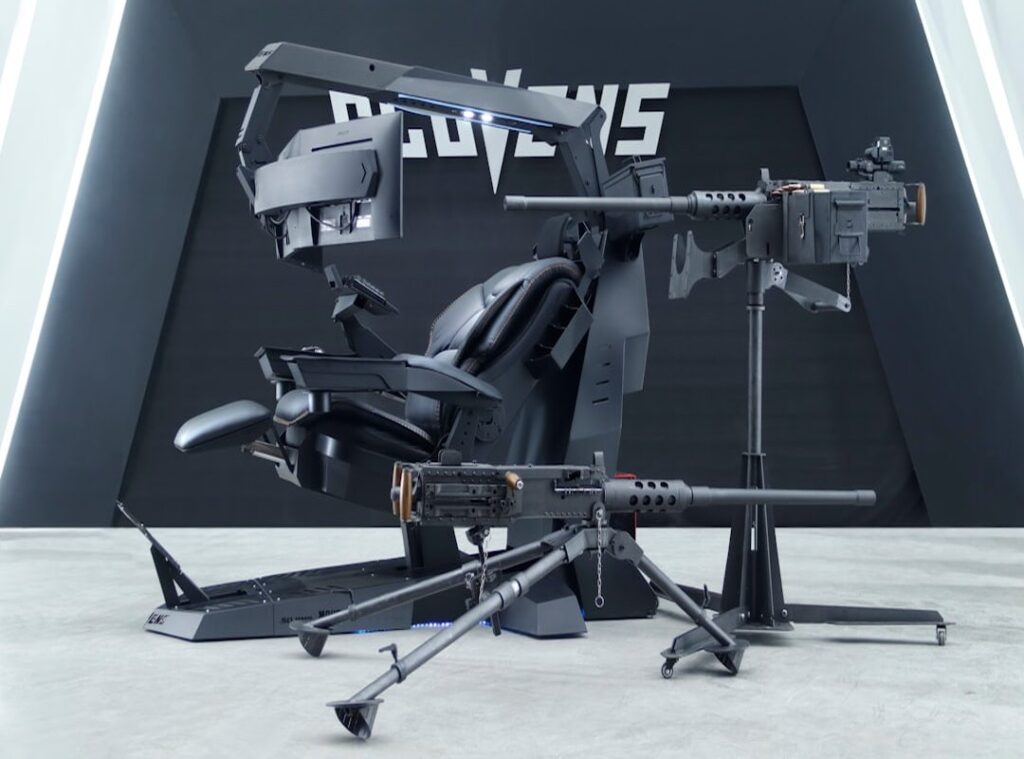
Raw reflexes matter. But without proper ergonomics (the science of designing your environment to fit your body), you’re throttling your own performance.
Posture and Positioning
Start with 90-degree angles at your knees and elbows. Feet flat. Forearms parallel to the floor. This supports a neutral spine—the natural S-curve of your back that reduces strain and improves blood flow (which helps delay fatigue, according to OSHA ergonomic guidelines). Slouching might feel relaxed, but it compresses your diaphragm and limits oxygen intake. Less oxygen, slower reactions. It’s biology.
Monitor Distance and Height
Place your monitor about an arm’s length away, with the top of the screen at eye level. This minimizes neck strain and expands your peripheral vision for faster target acquisition. Think of it like widening your in-game FOV—except it’s real life.
Desk and Chair Setup
A stable desk prevents micro-shakes during flicks. An adjustable chair locks in consistency. Competitive players don’t rely on wobbly setups (and neither should you). Pro tip: If your shoulders rise while aiming, your chair is too low.
Warm-Up Routine
Before grinding ranked, stretch wrists and fingers for 2–3 minutes. Gentle flexion, extension, and finger spreads increase mobility and reduce strain risk (Mayo Clinic). Your muscles should be primed for rapid inputs and advanced movement techniques—not shocked into action.
Mastering Your Mouse: Grip, Pressure, and Arm Mechanics
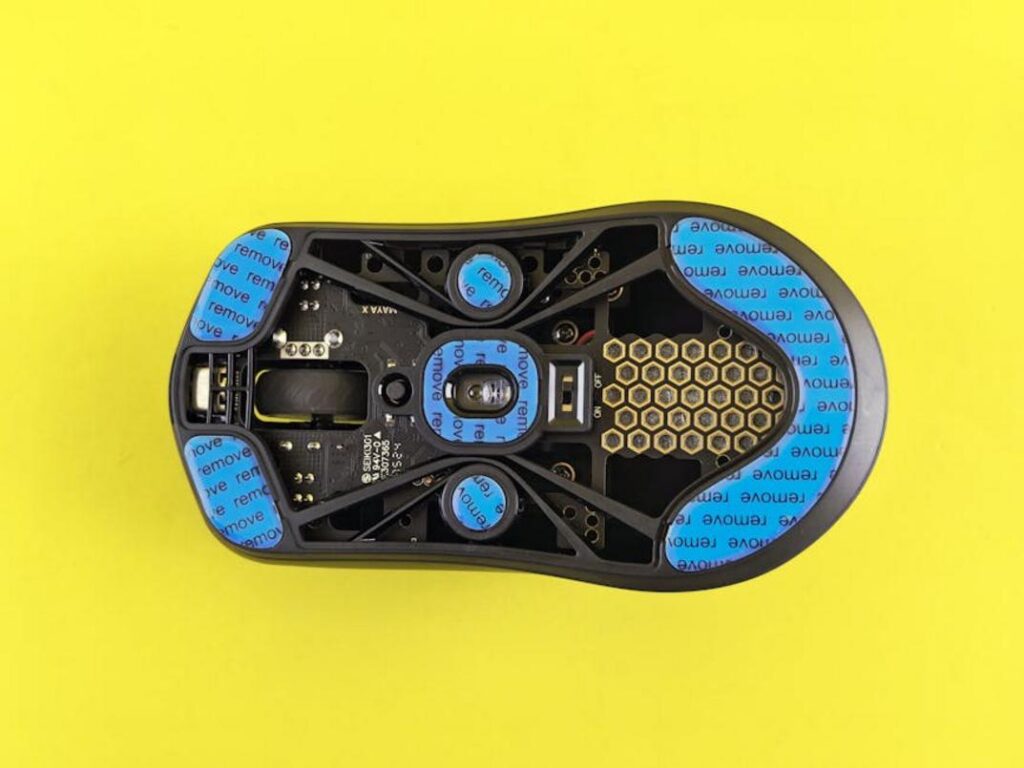
Your mouse control is the foundation of your aim. Before tweaking sensitivity or chasing advanced movement techniques, you need control over three basics: grip, arm mechanics, and pressure.
Finding Your Grip Style
There are three primary grips:
- Palm Grip – Your whole hand rests on the mouse. This offers maximum stability and comfort, ideal for tactical shooters where steady crosshair placement wins rounds.
- Claw Grip – Your palm rests lightly while fingers arch upward. This balances stability and quick clicks, making it popular in fast-paced FPS titles.
- Fingertip Grip – Only your fingertips touch the mouse. It sacrifices stability for agility, great for arena fighters requiring rapid adjustments.
If your aim feels shaky, you may be using a grip that prioritizes speed over control. On the flip side, if you feel slow during close-range fights, your grip may be too restrictive.
Arm vs. Wrist Aiming
Think of your arm as the engine and your wrist as the steering wheel.
- Use your arm for large movements like 180-degree turns.
- Use your wrist for micro-adjustments and tracking.
Relying only on your wrist can cause inconsistency and fatigue. Blending both creates smoother, repeatable motion.
The Concept of Consistent Pressure
Avoid the “death grip.” Applying even, light pressure prevents jerky corrections and improves tracking. If your forearm feels tense, reset and loosen your hold.
Physical Drills
- Smoothness tracking: Follow a moving object without clicking.
- Flick-and-stop: Snap to a target and focus on stopping precisely.
Practice slowly. Speed comes from control, not force.
Keyboard Dexterity: The Art of Fluid WASD Control
If aim wins duels, movement wins fights. And that starts with treating WASD like a pianist treats the home row (yes, we’re going there).
The “Home Row” for Gamers
First, anchor your index, middle, and ring fingers on W, A, and D, keeping your pinky hovering over Shift and Ctrl while your thumb rests lightly on Spacebar. This minimizes travel time—the tiny delay between intent and action. In high-TTK shooters, even 50–100 milliseconds can decide outcomes (Human Benchmark reaction studies). The benefit? Faster sprints, cleaner crouch-peeks, and fewer fumbled inputs when pressure spikes.
Key Actuation and Feathering
Next, learn your switch’s actuation point—the exact depth at which a keypress registers. Mechanical switches often actuate before bottoming out (Cherry MX data sheets). By “feathering” movement keys instead of slamming them down, you unlock tighter strafes and micro-adjustments. Over time, this reduces finger fatigue and increases consistency (your hands will thank you during hour three of ranked).
Advanced Movement Techniques
Mastering strafe-jumping, bunny-hopping, and circle-strafing requires syncing key taps with mouse arcs in one fluid rhythm. That coordination boosts momentum control and makes you harder to track—think less target dummy, more action hero.
Keyboard Angle
Finally, experiment with tilting your keyboard. Many pros angle it to open space for wide mouse swipes and reduce wrist strain. Comfort equals endurance, and endurance equals smarter decisions—just like in how pros adapt strategies mid tournament.
Controller Command: Thumbstick Finesse and Trigger Discipline
First, let’s talk thumbstick grip. Using the tip of your thumb increases range of motion, while the pad offers stability. If you add stick extenders or high-tension mods, you increase the stick’s radius (the distance it travels), which allows finer aim adjustments. Think of it like switching from a short pencil to a longer one—more leverage, more precision.
Next, mastering “dead zones” (the area where small stick movements don’t register) prevents accidental drift. Practice nudging the stick until movement barely appears on-screen; this builds micro-adjustment control.
Meanwhile, back paddles let you jump or slide without removing your right thumb from the aim stick. That’s a massive edge during advanced movement techniques.
Finally, trigger control matters.
| Technique | Benefit |
|---|---|
| Trigger stops | Shorter pull distance |
| Hair-trigger practice | Faster shot timing |
In tight fights, milliseconds count—so train accordingly.
INTEGRATE THIS INTO YOUR LOOP.
You now have a complete physical toolkit to optimize movement, from posture to fingertip pressure. If reactions feel inconsistent, remember: that’s a TRAINING gap, not a talent gap. Deliberate reps solve physical problems.
Here’s what’s next:
- Choose one drill.
- Practice it for 15 minutes in training mode.
- Track improvement for seven days.
By repeating advanced movement techniques with focus, you build muscle memory—automatic execution handled by the subconscious. That frees mental bandwidth for strategy, rotations, and clutch calls (yes, like those last-circle moments). Pro tip: film one session to spot tension leaks.
Dominate Every Match With Smarter Strategy
You came here to sharpen your edge—and now you have the blueprint. From mastering core mechanics to refining squad coordination and optimizing your loadouts, you’re better equipped to compete at a higher level. Most players stay stuck because they ignore the small adjustments that separate average from elite. You won’t.
The real difference-maker is execution. Apply advanced movement techniques, communicate with purpose, and adapt your loadout to the situation—not your comfort zone. That’s how you outplay, outmaneuver, and outlast the competition.
If you’re tired of inconsistent performances and frustrating losses, it’s time to level up the right way. Join thousands of competitive players who rely on our expert breakdowns and proven strategies to win more matches. Dive deeper, train smarter, and start dominating your next game today.
 Thero Dornhaven has opinions about gamer squad coordination tactics. Informed ones, backed by real experience — but opinions nonetheless, and they doesn't try to disguise them as neutral observation. They thinks a lot of what gets written about Gamer Squad Coordination Tactics, Loadout Optimization Guides, Expert Breakdowns is either too cautious to be useful or too confident to be credible, and they's work tends to sit deliberately in the space between those two failure modes.
Reading Thero's pieces, you get the sense of someone who has thought about this stuff seriously and arrived at actual conclusions — not just collected a range of perspectives and declined to pick one. That can be uncomfortable when they lands on something you disagree with. It's also why the writing is worth engaging with. Thero isn't interested in telling people what they want to hear. They is interested in telling them what they actually thinks, with enough reasoning behind it that you can push back if you want to. That kind of intellectual honesty is rarer than it should be.
What Thero is best at is the moment when a familiar topic reveals something unexpected — when the conventional wisdom turns out to be slightly off, or when a small shift in framing changes everything. They finds those moments consistently, which is why they's work tends to generate real discussion rather than just passive agreement.
Thero Dornhaven has opinions about gamer squad coordination tactics. Informed ones, backed by real experience — but opinions nonetheless, and they doesn't try to disguise them as neutral observation. They thinks a lot of what gets written about Gamer Squad Coordination Tactics, Loadout Optimization Guides, Expert Breakdowns is either too cautious to be useful or too confident to be credible, and they's work tends to sit deliberately in the space between those two failure modes.
Reading Thero's pieces, you get the sense of someone who has thought about this stuff seriously and arrived at actual conclusions — not just collected a range of perspectives and declined to pick one. That can be uncomfortable when they lands on something you disagree with. It's also why the writing is worth engaging with. Thero isn't interested in telling people what they want to hear. They is interested in telling them what they actually thinks, with enough reasoning behind it that you can push back if you want to. That kind of intellectual honesty is rarer than it should be.
What Thero is best at is the moment when a familiar topic reveals something unexpected — when the conventional wisdom turns out to be slightly off, or when a small shift in framing changes everything. They finds those moments consistently, which is why they's work tends to generate real discussion rather than just passive agreement.