
Ever felt the sting of someone telling you gaming is bad for you? Like it’s some mindless, toxic thing? I get it, I really do.
But let’s be honest. Gaming isn’t just about the high scores or epic wins. It’s about the genuine joy and connections it brings, right?
I’m here to have a real talk about the gaming mental health impact. The good, the bad, all of it. From the thrill of a big win to the frustration of a toxic lobby, I’ve been there.
I understand the community, the highs and lows.
This article isn’t about telling you to quit. It’s about helping you see how gaming affects your mental well-being. Stick around for practical tips to keep gaming a positive force in your life.
The Upside: Gaming as a Mental Health Power-Up
You know, gaming isn’t just a mindless time-suck. It’s actually a mental health power-up. Ever heard of the “flow state”?
It’s when you get so absorbed in a game that you forget all your real-world worries. Think about losing yourself in an open world or cracking a complex puzzle. It’s like meditation with a joystick.
And let’s talk about social connections. Multiplayer games aren’t just about trash-talking (though we’ve all been there). They’re about building communities.
You form bonds with your squad, guild, or team that are as real as any face-to-face friendship. Forget the stereotype of the isolated gamer. This is about connecting, not hiding.
Then there’s the cognitive boost. Games sharpen skills. Plan games push you to solve problems.
Shooters? They amp up your reaction times. Sims?
Total resource management training. You don’t need a science degree to see the benefits here.
You feel like you’ve achieved something real, even if it’s just in a virtual world.
What about that sweet sense of accomplishment? Beating a tough boss or finally ranking up gives you a psychological high. It’s the tangible feeling of progress and competence.
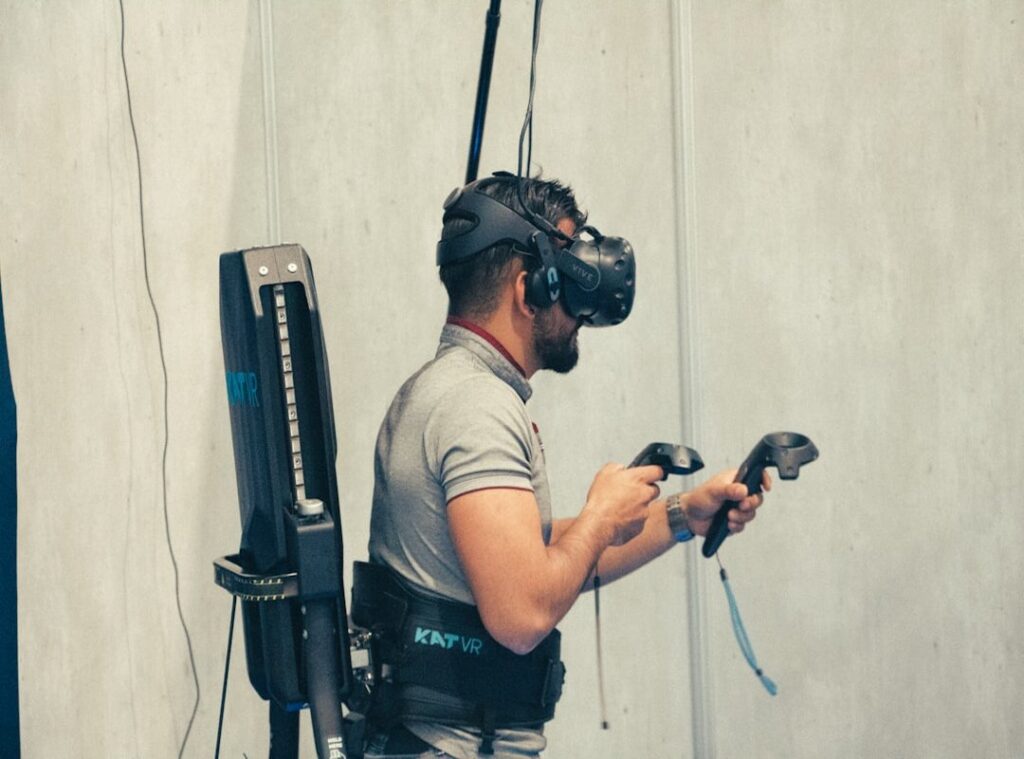
Curious about how virtual reality is flipping gaming on its head? You should learn more about that. It’s a game-changer (pun totally intended).
So, the next time someone tells you gaming is a waste of time, you can set them straight. Gaming is more than just play. It’s a mental health boost, a social hub, and a brain trainer all rolled into one.
The Player Traps: Potential Downsides to Keep on Your Radar
Let’s face it. Gaming is a blast, but there are some sneaky traps you might not see coming. Sure, it starts with “Just One More Game”, right?
Game design knows this, with daily rewards and loot boxes reeling you in. Before you know it, you’re stuck in that loop. Feels like you can’t stop.
Ever get that feeling like your controller has taken over?
Then there’s the toxicity and social pressure. Online games are a jungle. Negative comments and trolling can really hit you hard.
You think you’re just playing for fun, but bam! Anxiety and frustration creep in. It’s like high school drama on steroids.
And that pressure to perform? It’s real. Sometimes it feels like you’re playing in the Super Bowl.
And what about sleep? Gaming late into the night under those bright screens isn’t doing your sleep any favors. Blue light is a real culprit.
It’s like drinking coffee before bed. Pair that with adrenaline from intense gameplay, and you’ve got a recipe for tossing and turning. It’s no wonder you’re dragging the next day.
But wait, there’s more. Ever notice how gaming can push aside real-life quests? Homework, chores, exercise, even family time can take a backseat.
It’s a balancing act we all struggle with. Gaming can be all-consuming. Remember, it’s about keeping things in check.
Gaming mental health impact isn’t just buzzwords. It’s something to think about. Keep an eye on these traps, and you’ll be just fine.
Finding Your Balance: Tips for Healthy Gaming
Balancing gaming with life isn’t easy, but it’s doable. Does gaming impact mental health? Absolutely. to some practical tips.
Set Intentional Time Limits. Before you even start, decide how long you’ll play. Use a timer on your phone or an in-game feature. It sounds simple, but it works. You’d be surprised how fast time flies when you’re in the zone.
Next, let’s talk breaks. Ever heard of the 20-20-20 rule? Every 20 minutes, look at something 20 feet away for 20 seconds.
Your eyes will thank you. And don’t forget to stretch or walk around between matches. Staring at the screen for hours is brutal on your body.
Curating your gaming environment is another biggie. Toxic players? Mute, block, and report them.
Seriously, don’t let them mess with your vibe. Find supportive communities or friends who make gaming fun. You deserve a positive space.
Hydration is key. Keep a water bottle nearby, and snack smart. Your brain needs fuel.
Sure, chips and energy drinks are tempting, but healthier snacks keep you sharp. Trust me, your future self will appreciate it.
Gaming is supposed to be fun, not stressful. If you’re curious about the future of gaming, check out cloud gaming future. It’s mind-blowing how the space is evolving.
Remember, moderation is everything. Gaming can have a positive impact if you manage it well. So set those limits, take breaks, and curate your space.
Your mental health matters. Enjoy the game, but don’t forget to live in the real world too.
Squad Up or Go Solo? How Your Game Choice Matters
Gaming isn’t just a pastime. It’s a lifestyle. But does your game choice affect your mental health?
Absolutely. Multiplayer and competitive games offer teamwork and shared victories. They’re social, sure, but they come with pressure and sometimes a toxic environment.
Single-player and cooperative games, on the other hand, let you relax. Move at your own pace and dive into immersive storytelling. It’s like getting lost in a good book.
Who needs that when you’re already stressed, right?
But they can feel isolating sometimes. Ever finish a game and realize you haven’t spoken to anyone all day? Yeah, been there.
The trick is to listen to your mood. Are you up for some social interaction, or do you need to decompress alone? This choice impacts your mental health more than you think.
For more insight into gaming’s impact, check out the health effects of too much gaming 2020122221645.
Pro tip: Switch it up. Don’t just play the same game out of habit. Your brain will thank you.
Whether you’re gaming solo or with a squad, just make sure it fits your vibe. Gaming should be fun, not a chore.
Red Flags: Time to Log Off
When does gaming shift from fun to problematic? It’s tricky. I’ve felt it myself.
Here are a few signs. First up, feeling irritable or angry. If you’re snapping at family just because you can’t play, that’s a problem.
Or worse, flipping out over a loss.
Next, notice if you’re lying about game time. Ever caught yourself downplaying hours spent online? That should raise an eyebrow.
It stops being fun. That’s the big one. Everything changes when logging on feels like a chore.
Then we have physical symptoms. Headaches, eye strain, wrist pain are more than minor annoyances. They’re your body’s way of begging for a break.
If games aren’t sparking joy but stress, time to rethink. And don’t worry, stepping away doesn’t mean quitting forever. We all need breaks.
It’s healthy.
Gaming can impact mental health (surprise, surprise). It’s normal to take a breather. Reassure yourself that the world won’t end if you skip a session.
Maybe you’ll even come back stronger. Who knows what other interests you might discover in the meantime?
Find Your Gaming Balance
We all know gaming can mess with your head if you’re not careful. But it’s not all bad. It’s all about balance.
Finding that sweet spot where gaming is a blast without messing up your life is key. Awareness and control are your best friends here. You’re asking how?
Try one of the tips from the article next time you play. Notice the difference? It could change everything.
This is more than just talk. Gaming mental health impact is real. Take charge now. Need more advice?
Dive into our resources at hmcdgamers.com. Start your journey to better gaming today.
 Ask Donald Forestevalo how they got into expert breakdowns and you'll probably get a longer answer than you expected. The short version: Donald started doing it, got genuinely hooked, and at some point realized they had accumulated enough hard-won knowledge that it would be a waste not to share it. So they started writing.
What makes Donald worth reading is that they skips the obvious stuff. Nobody needs another surface-level take on Expert Breakdowns, Loadout Optimization Guides, Core Mechanics and Gaming Basics. What readers actually want is the nuance — the part that only becomes clear after you've made a few mistakes and figured out why. That's the territory Donald operates in. The writing is direct, occasionally blunt, and always built around what's actually true rather than what sounds good in an article. They has little patience for filler, which means they's pieces tend to be denser with real information than the average post on the same subject.
Donald doesn't write to impress anyone. They writes because they has things to say that they genuinely thinks people should hear. That motivation — basic as it sounds — produces something noticeably different from content written for clicks or word count. Readers pick up on it. The comments on Donald's work tend to reflect that.
Ask Donald Forestevalo how they got into expert breakdowns and you'll probably get a longer answer than you expected. The short version: Donald started doing it, got genuinely hooked, and at some point realized they had accumulated enough hard-won knowledge that it would be a waste not to share it. So they started writing.
What makes Donald worth reading is that they skips the obvious stuff. Nobody needs another surface-level take on Expert Breakdowns, Loadout Optimization Guides, Core Mechanics and Gaming Basics. What readers actually want is the nuance — the part that only becomes clear after you've made a few mistakes and figured out why. That's the territory Donald operates in. The writing is direct, occasionally blunt, and always built around what's actually true rather than what sounds good in an article. They has little patience for filler, which means they's pieces tend to be denser with real information than the average post on the same subject.
Donald doesn't write to impress anyone. They writes because they has things to say that they genuinely thinks people should hear. That motivation — basic as it sounds — produces something noticeably different from content written for clicks or word count. Readers pick up on it. The comments on Donald's work tend to reflect that.