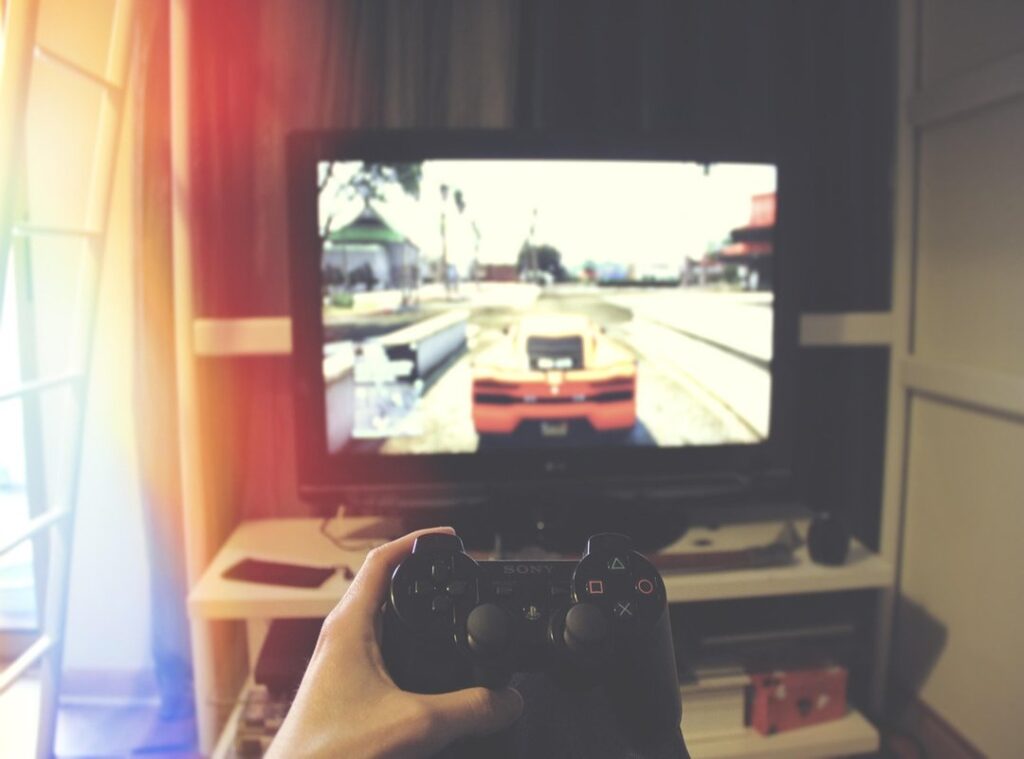
Ever lost a 1v1 fight you should’ve won? It’s like your opponent had a cheat code to improving reflexes gaming. That split-second lag feels like an eternity, right?
But don’t worry, you’re not alone. I’ve been there too, countless hours deep in competitive play. This article is your no-fluff guide to really stepping up your game.
We’re talking gear, training, mental hacks (the) works. All pulled from what top players actually do. You want results?
You’ll leave with an actionable plan. You’re gonna get faster. Ready to stop being the slow-mo and start being the pro-go?
First, Let’s Understand the Lag: What is ‘Reaction Time’?
Let’s break down reaction time. It’s simpler than you think. Imagine you’re gaming.
You spot an enemy sniper’s glint. Your brain screams, “Duck!” or maybe “Shoot back!” That moment right there? It’s all about reaction time.
First, we have perception. This is when you see the enemy. Your eyes catch that glint of light.
This is when your fingers actually do the clicking. It’s like in gaming when your character dodges or fires at the right moment. Miss a beat and… well, you know.
The next stage is processing. Your brain makes a decision: duck or fire. Finally, response.
But here’s the thing: improving reflexes in gaming isn’t just for the naturally gifted. It’s trainable. Just like you’d practice shooting hoops, you can practice this too.
Start seeing reaction time as a skill you can hone.
Pro tip: keep practicing, and your response time will improve. It’s why folks spend hours honing their skills. If you’re serious about leveling up, check out Mastering FPS Games Top Strategies.
It’s packed with tips that can give you that edge. Ready to sharpen those reflexes? Let’s get to it!
Gear Up: The Hardware and Settings That Actually Matter
Let’s talk about the two most key pieces of hardware for improving reflexes gaming: your monitor and your mouse. Forget all the noise about fancy keyboards or overpriced headsets. Those don’t move the needle like these two do.
First, dive into your monitor. What’s the refresh rate all about? Simply put, it’s how many pictures per second it shows.
More pictures per second means you see things sooner. How cool is that? A 144Hz monitor is the sweet spot today.
Anything less and you’re missing out.
Now onto the mouse. Ever heard of its polling rate? It’s how often your mouse talks to your PC.
A higher number equals faster response. So just crank it up to 1000Hz in your mouse software. It’s not magic.
It’s science.
Okay, here’s the thing about high Frames Per Second (FPS). It dramatically reduces input lag. Pro tip: Stable, high FPS is way better than fluctuating numbers.
Who doesn’t want buttery smooth gameplay?
If you’re struggling with FPS, start by lowering those in-game graphics settings. Shadows and textures? They’re guilty culprits.
Save the beauty for screenshots.
And for the love of all things holy, make sure your game runs in ‘fullscreen,’ not ‘windowed.’ This alone can boost your FPS. No joke. It’s one of those “why didn’t I do this sooner” moments.
So, gear up right, and watch your gaming improve overnight. It’s not just hardware; it’s how you set it up. Dive in, tweak it, play better.
Practice Makes Perfect: Drills & Tools for Reflex Mastery
You ever wonder why you’re not improving reflexes in gaming as fast as you’d like? Here’s the thing: playing matches isn’t enough. You need dedicated practice.
That’s why I recommend aim trainers like Aim Lab (free on Steam) or KovaaK’s. These tools are gold for honing your skills. They let you focus on specific scenarios like ‘Gridshot’ for flicking or ‘Reflexshot’ for pure reaction.
It’s like going to the gym but for your mouse hand.
But don’t just stick to paid options. There are free browser-based tools like ‘Human Benchmark’. It’s perfect for tracking raw reaction speed progress.
There’s something satisfying about watching those numbers improve. It’s simple yet effective.
In-game drills are another way to up your game. For FPS games, load into a private map. Practice flick shots on bots or specific targets.
It’s all about muscle memory. You’ll notice a difference when you jump back into actual matches.
Consistency trumps intensity. Remember that. 15 minutes of dedicated practice every day beats two hours once a week. It’s about building habits.
Think about it: what’s easier to stick with. A quick daily session or a marathon once in a while?
, don’t underestimate the power of team play. You can have the fastest reflexes, but if your team communication is off, say goodbye to winning. This is where effective communication team based games comes in handy.
It’s the backbone of any solid team.
So there you have it. Practice, tools, and communication. Focus on these, and watch your gameplay transform.
Don’t just play. Train. Make every session count.
Your future self will thank you.
Beyond the Game: Health and Headshots
You ever sit down for a gaming session and feel like your brain’s moving through molasses? That’s sleep deprivation for you. A tired brain is a slow brain.
It’s not just about staying awake; lack of sleep torpedoes your reaction time. And when you’re milliseconds away from landing that perfect headshot, speed matters.
Let’s talk hydration. I know energy drinks are tempting, but swap them for water. Your brain will thank you.
Sugary drinks might give you a quick boost, but they crash harder than a poorly timed dive bomb. Heavy meals? Save them for after your session.
You’ll need full focus, not a food coma.
Mental state also plays a huge role. Ever notice how rage quitting happens? Tilt and frustration cloud judgment.
Staying calm keeps your mind sharp and your reflexes slick. And hey, when you’re cool under pressure, your team notices. Good callouts and coordination can turn the tide of a match.
Want more on improving reflexes gaming? Dive into it. Don’t just play the game, play smart. Health matters.
It’s the difference between guessing and knowing. Invest in your mental and physical well-being. Your gameplay will thank you.
Warm-Up Magic: Game On
Alright, let’s keep it simple. You’ve got 15 minutes, and you want to get those reflexes ready for gaming. Start with 5 minutes on a reaction time site.
Get your brain buzzing. Then, hit an aim trainer or the game’s practice range for 10 minutes. Focus on flicking and tracking.
Why? Because you need your brain and hands dancing in sync before that high-stakes match.
Improving reflexes in gaming isn’t rocket science. It’s about practice. So, what are you waiting for?
Get out there and show them what you’re made of. Ready, set, game!
Click Faster, Win More
Feeling slow in those key gaming moments? We’ve all been there. But you’ve taken a big step.
By following this guide, you’ve unlocked the secret to improving reflexes gaming. It’s about the right gear, smart practice, and self-care. It’s all there.
Now, here’s what you do next. Pick one thing. Maybe an aim trainer or just catching more z’s.
Do it tonight. Seriously, start. You’re not alone.
Plenty have walked this path and succeeded. You can too. So, stop hesitating.
Dive in, make that change, and watch your game transform. You’ve got this. Go on, make your move.
 Ask Donald Forestevalo how they got into expert breakdowns and you'll probably get a longer answer than you expected. The short version: Donald started doing it, got genuinely hooked, and at some point realized they had accumulated enough hard-won knowledge that it would be a waste not to share it. So they started writing.
What makes Donald worth reading is that they skips the obvious stuff. Nobody needs another surface-level take on Expert Breakdowns, Loadout Optimization Guides, Core Mechanics and Gaming Basics. What readers actually want is the nuance — the part that only becomes clear after you've made a few mistakes and figured out why. That's the territory Donald operates in. The writing is direct, occasionally blunt, and always built around what's actually true rather than what sounds good in an article. They has little patience for filler, which means they's pieces tend to be denser with real information than the average post on the same subject.
Donald doesn't write to impress anyone. They writes because they has things to say that they genuinely thinks people should hear. That motivation — basic as it sounds — produces something noticeably different from content written for clicks or word count. Readers pick up on it. The comments on Donald's work tend to reflect that.
Ask Donald Forestevalo how they got into expert breakdowns and you'll probably get a longer answer than you expected. The short version: Donald started doing it, got genuinely hooked, and at some point realized they had accumulated enough hard-won knowledge that it would be a waste not to share it. So they started writing.
What makes Donald worth reading is that they skips the obvious stuff. Nobody needs another surface-level take on Expert Breakdowns, Loadout Optimization Guides, Core Mechanics and Gaming Basics. What readers actually want is the nuance — the part that only becomes clear after you've made a few mistakes and figured out why. That's the territory Donald operates in. The writing is direct, occasionally blunt, and always built around what's actually true rather than what sounds good in an article. They has little patience for filler, which means they's pieces tend to be denser with real information than the average post on the same subject.
Donald doesn't write to impress anyone. They writes because they has things to say that they genuinely thinks people should hear. That motivation — basic as it sounds — produces something noticeably different from content written for clicks or word count. Readers pick up on it. The comments on Donald's work tend to reflect that.