Many modern games look alive but play like static stages, limiting you to scripted interactions that barely test your skill. The real difference between average titles and legendary competitive experiences lies in how deeply you can engage with the world itself. This breakdown explores how dynamic systems—ranging from environmental reactions to tightly tuned hitboxes and collision detection—raise the skill ceiling and reward mastery. Drawing on design principles proven in top-tier competitive games, we’ll examine how interconnected mechanics create meaningful decision-making. You’ll learn to recognize enhanced interaction design and leverage it for a true competitive edge.
The Foundation: Physics, Reactivity, and Environmental State
Beyond Cosmetics vs. Tactical Destruction
Bullet holes that fade after a firefight look dramatic, but they’re cosmetic. Tactical destruction is different. A vs B: in Game A, you pepper a wall with rounds and nothing changes. In Game B, you breach it, open a new sightline, and suddenly the objective room is exposed. That’s not decoration—that’s FLOW CONTROL.
Superficial damage adds flavor. Meaningful environmental change rewrites strategy. Destroying cover forces repositioning. Collapsing a ceiling denies high ground. Altering terrain shifts chokepoints (and yes, campers hate that).
Object Manipulation as a Tool
Passive props become assets when physics enters the equation. A static crate is background art. A movable crate can block a doorway, create instant head-glitch cover, or act as a distraction when thrown down a hallway. Think Home Alone, but tactical.
This depth relies on consistent hitboxes and collision detection so interactions feel fair, not random.
Elemental Systems 101
Fire spreads across flammable surfaces. Water conducts electricity. Smoke obscures vision. Compare a dry corridor to one flooded before a shock trap—same space, different outcome. Some argue this complexity overwhelms players. Fair point. But when systems interlock cleanly, they reward planning over reflex alone.
Pro tip: control the environment first; the eliminations follow.
Systemic Depth: Creating Emergent Gameplay Through Interacting Rules

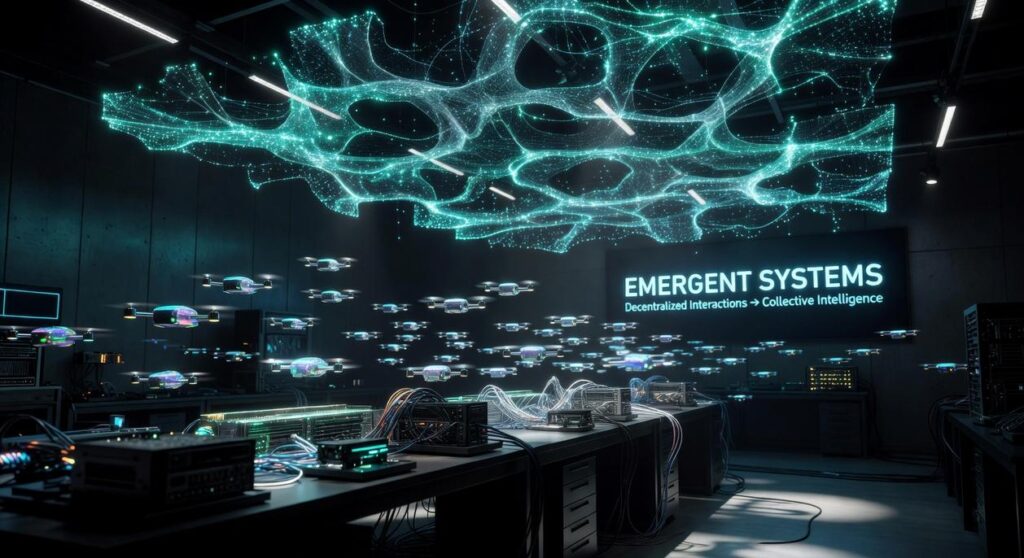
Systemic interaction goes beyond simple cause-and-effect. It’s what happens when AI behavior, player abilities, physics, and elemental states all follow a shared logic system and collide in unpredictable ways. Instead of scripting every outcome, designers create rules that consistently apply across the world. Think less “press button, door opens” and more “apply force, object moves” (yes, like real life—but with cooler explosions).
Some argue tightly scripted encounters create better pacing and cinematic moments. That’s fair. Linear design can feel polished and controlled. But systemic depth creates replayability. When rules interact, no two fights unfold exactly the same—and that unpredictability keeps players engaged longer (Source: Salen & Zimmerman, Rules of Play).
The Chain Reaction Principle
Here’s a practical breakdown you can try in your own designs:
- Introduce an elemental state (fire on the ground).
- Add a counter-system (water grenade douses flames, leaves puddle).
- Layer another rule (electricity stuns enemies in water).
- Let physics finish the story (enemy drops weapon, manipulated via gravity ability).
Each step builds on consistent logic. The magic isn’t complexity—it’s INTERACTION.
Pro tip: Start with 3–4 universal rules and test every ability against them before adding more. Depth scales exponentially.
To support this, systems like hitboxes and collision detection must behave predictably. If collisions feel inconsistent, players won’t experiment—they’ll blame the game.
Fostering Player Creativity
Encourage experimentation by designing challenges with multiple solutions. Don’t telegraph a single “correct” tactic. Instead, reward SYSTEM MASTERY.
Think Breath of the Wild: metal conducts electricity whether it’s a sword or a crate. That consistency builds trust. When players trust the rules, they push boundaries—and that’s where emergent gameplay thrives.
Competitive Advantage: Weaponizing the Environment for Tactical Supremacy
Think of the map not as scenery, but as a loaded toolbox. Level design is a weapon—you just have to pull the trigger. Shooting a steam pipe to create visual cover is like popping a smoke grenade you didn’t have to equip. Triggering a rockslide? That’s turning gravity into your hired muscle. Even industrial machinery can become a trap, crushing overconfident enemies who mistake background detail for set dressing.
Some argue that raw aim and reflexes win fights. And yes, mechanics matter. But ignoring the environment is like playing chess and refusing to use your bishops. The board itself is part of the strategy.
Information Warfare Through Interaction
A reactive world is a silent informant. A swinging door whispers, “Someone passed through.” Footprints in snow trace a story better than any minimap ping. Disturbed birds exploding from a tree line? That’s an alarm bell in feathers. Master players read these cues the way detectives read a crime scene (Sherlock Holmes with a headset).
Understanding how objects respond—down to hitboxes and collision detection—turns guesswork into calculated prediction. If you want a deeper dive into why momentum and impact matter, review explaining game physics from gravity to momentum systems.
Advanced Squad Coordination
Environmental synergy separates squads from squads.
- One player freezes a puddle so the team crosses silently—like laying down your own red carpet.
- Another uses a concussive blast to shatter a window, opening a breach point.
- A third seals exits with debris, funneling opponents into a controlled choke.
Individually, these are tricks. Together, they’re choreography. The battlefield becomes less a place you survive—and more a stage you control.
Gear that changes the rules means equipment that unlocks new actions, not just bigger numbers. A grappling hook, for example, creates verticality, letting you access rooftops others cannot. Insulated boots redefine risk, because electrical traps stop mattering. Demolition charges alter map flow through tactical destruction. In simple terms, these tools modify the environment’s hitboxes and collision detection, opening paths previously blocked. However, some argue raw stat boosts are safer. Yet when you synergize loadouts with specific map features, you control chokepoints like Batman stalking Gotham. Therefore, choose gear that manipulates space, not just damage. Think strategically before every match starts.
Mastering the World Itself
You set out to understand what truly separates good players from dominant ones, and now the answer is clear: mastery doesn’t stop at mechanics—it extends to the world itself. When environments are static, metas grow stale and predictable, capping your growth and long-term engagement. But dynamic, reactive systems transform every match into a living puzzle where positioning, timing, hitboxes and collision detection, and terrain awareness become weapons.
If you’re tired of plateauing in predictable lobbies, it’s time to evolve. Study maps, test interactions, and turn the environment into your advantage. Level up your strategy now and start playing the world—not just the game.