
If you’re searching for clear answers about cross-platform gaming, you probably want to know how it works, which games truly support it, and how to gain a competitive edge when playing across different systems. This article is built to give you exactly that—no fluff, no vague promises—just practical insights into mechanics, matchmaking differences, performance considerations, and the strategies that matter most.
Many players struggle with input disparities, communication gaps, and optimization issues when competing across platforms. We break down how these factors affect gameplay and what you can do to adapt, from fine-tuning your loadout to improving squad coordination and understanding platform-specific advantages.
Our analysis is grounded in deep expertise in core gaming mechanics and competitive play strategy. By combining technical breakdowns with real-world tactical insight, this guide helps you move beyond basic understanding and start making smarter decisions every time you queue up.
Your friends are online—just not on your console. That sting is real. PlayStation, Xbox, PC, and Nintendo Switch often live in separate ecosystems, fragmenting squads and shrinking matchmaking pools. Cross-platform multiplayer solves this by letting different systems share the same servers and lobbies. In simple terms, it removes hardware walls.
Why does this matter?
- Faster matchmaking and larger skill pools
- Fairer competitive rankings
- Easier squad coordination across devices
Some argue platform exclusivity protects performance. Sometimes it does. But cross-platform gaming, when implemented well, balances inputs and keeps friends together—where multiplayer truly shines. Input parity tools help immensely.
The Core Mechanic: What “Cross-Platform Play” Actually Means”
Cross-platform gaming sounds simple: you on a PlayStation, your friend on PC, someone else on Xbox—all in the same match. Under the hood, it works because shared servers and synchronized netcode (the system that keeps every player’s actions aligned in real time) let different hardware speak the same language. When it works, it feels seamless. When it doesn’t? Lag, desync, and the classic “I was behind cover!” rage moment.
Here’s where confusion kicks in. Cross-play means you can play together. Cross-progression means your rank, skins, and unlocks follow you between platforms. Cross-save is narrower—it transfers your saved game data. Many players assume buying twice guarantees everything carries over (it doesn’t).
From a developer standpoint, this isn’t plug-and-play. It requires platform-holder agreements (Sony, Microsoft, Nintendo), backend investment, and constant updates. No wonder some studios hesitate—yet players still groan when it’s missing.
Why Cross-Play is a Game-Changer for Squads
Benefit 1 – Eliminating Player Division
The biggest win is simple: no one gets left behind. Cross-play removes the wall between console, PC, and handheld players, so your squad forms based on friendship and skill—not hardware. Instead of saying, “Sorry, I’m on a different system,” you’re dropping in together. That freedom means more consistent practice, tighter coordination, and fewer missed sessions (because the real final boss is scheduling). In short, cross-platform gaming keeps your team intact.
Benefit 2 – Faster Matchmaking & Healthier Lobbies
When player pools merge, matchmaking systems have more data to work with. That means shorter queue times and better skill-based matches—not lopsided games built around whoever happens to be online. According to industry reporting from Sony and Microsoft announcements around cross-play adoption, expanded pools significantly reduce wait times in multiplayer titles. More players equals smarter matchmaking. You spend less time waiting and more time executing strategy.
Benefit 3 – Increased Game Longevity
A unified community keeps games alive longer, especially niche or competitive titles. Larger player bases maintain active ladders, evolving metas, and populated servers years after launch. Think of it like keeping the party going—no awkward empty lobby moments. For squads, that means lasting progression, deeper rivalries, and long-term improvement opportunities.
The Competitive Divide: Balancing PC vs. Console
The core conflict is simple: mouse precision vs. controller comfort. A mouse allows pixel-level tracking and faster flick shots, giving PC players a measurable edge in most shooters (studies on input latency and accuracy consistently show higher precision with mouse input; see research from IEEE on human-computer interaction). Console players counter with aim assist, but critics argue it’s artificial compensation.
Developers attempt balance through input-based matchmaking, controller aim assist tuning, and platform-specific settings like adjustable sensitivity curves. In cross-platform gaming, some studios even separate ranked ladders by input type. Pro tip: if ranked integrity matters to you, check whether your game filters by input—not just platform.
Still, some argue skill outweighs hardware. And they’re partly right. Elite controller players can outplay average mouse users. But in mixed-input lobbies, squad tactics must adjust. Prioritize close-quarters fights, force tight angles, and avoid long sightlines where mouse users dominate (think less open-field duel, more hallway ambush).
For deeper ecosystem shifts, see the rise of cloud gaming opportunities and limitations.
Top Cross-Play Titles for Ultimate Squad Coordination
The real edge in cross-platform gaming isn’t raw aim. It’s coordination architecture — the systems that let mixed-input squads function like a single unit instead of three solo queue heroes arguing in voice chat (we’ve all been there).
1. Battle Royales: Communication Is the Real Meta
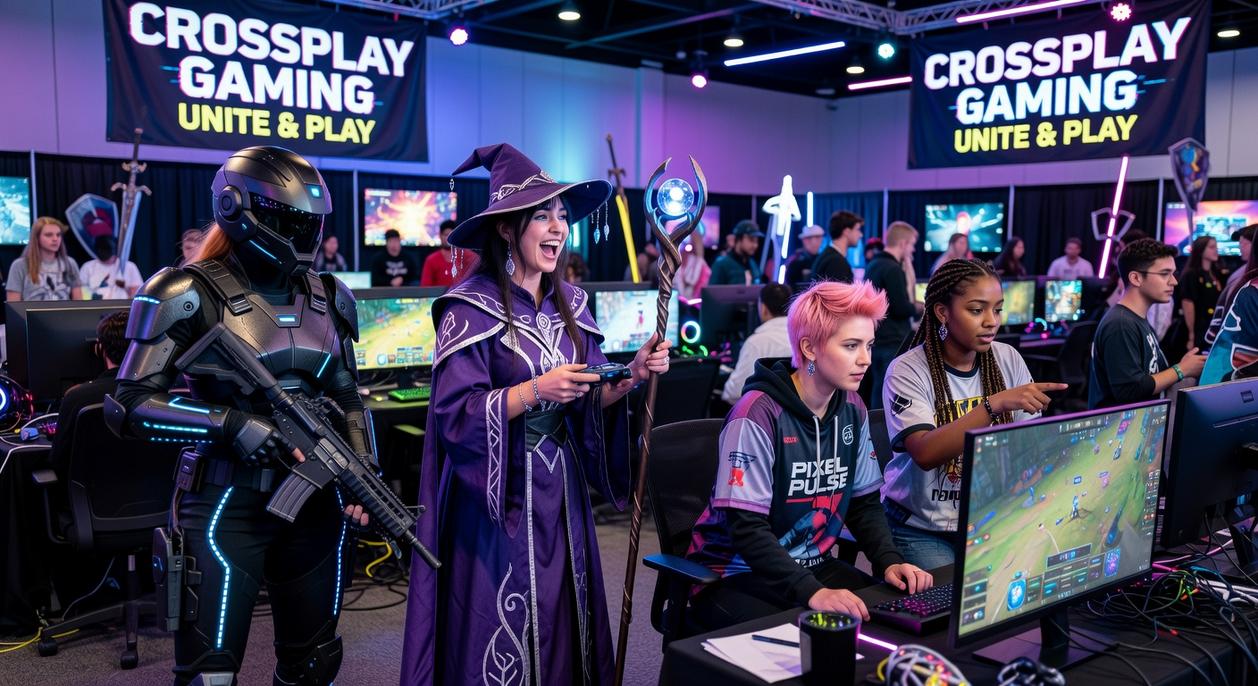
Apex Legends, Fortnite, and Call of Duty: Warzone reward squads that treat ping systems as tactical tools, not afterthoughts. Apex’s contextual ping wheel allows controller players to relay rotations, loot tiers, and enemy armor levels without ever typing. That closes the input gap instantly.
The overlooked advantage? Loadout specialization for mixed-input teams.
- Controller players anchor close-range fights (SMGs, shotguns, defensive utility).
- Mouse-and-keyboard players prioritize long-range beams and sniper overwatch.
- One flex role runs recon or mobility to control engagements.
Many guides focus on aim settings. Few emphasize input-synergy loadouts — yet this division reduces mechanical overlap and maximizes team efficiency.
2. Hero Shooters: Role Design Solves Input Gaps
In Overwatch 2, role-based structure quietly levels the field. Tanks and supports rely more on positioning, cooldown tracking, and tempo control than pixel-perfect flicks. Meanwhile, PC damage players handle precision heroes.
The competitive advantage? Assign roles based on input strengths before queueing. Pre-defined responsibility lowers decision fatigue mid-match (pro teams do this religiously).
3. Co-op & Party Games: Strategy Beats Mechanics
Rocket League, Among Us, and Fall Guys prove that timing and communication trump hardware. Rocket League rotations matter more than ceiling shots. Among Us rewards deduction and information control. Fall Guys is controlled chaos — positioning and patience outperform twitch reflexes.
The gap competitors miss: these titles double as coordination training grounds. Squads that practice callouts and rotation discipline here transition more smoothly into high-stakes competitive environments.
In the end, the strongest squads don’t obsess over input differences. They design around them — and that’s where real competitive separation begins.
Barriers between consoles and PCs have fallen fast. In 2018, only a handful of major titles supported shared lobbies; today, industry reports show over 60% of top multiplayer releases launch with cross-play enabled (Statista, 2024). That shift matters. The old frustration of owning the “wrong” system and missing game night is fading. cross-platform gaming turns separate ecosystems into one arena.
So check your favorite title’s settings. Confirm cross-play is active. Send that invite to your friend on another device. Then apply the tactical insights from this guide and take control of your next match. Start the session right now together.
Level Up Your Competitive Edge Today
You came here to sharpen your edge and understand how to win more consistently. Now you have the mechanics, coordination tactics, and loadout optimization strategies needed to compete at a higher level—whether you’re grinding ranked or mastering cross-platform gaming lobbies.
The biggest frustration for competitive players isn’t lack of effort—it’s inconsistency. Missed rotations, poorly optimized builds, and weak squad synergy cost matches. Applying what you’ve learned here eliminates those gaps and turns chaotic gameplay into controlled, repeatable wins.
Now it’s time to act. Review your current loadout, refine your role within your squad, and start implementing one tactical adjustment per session. The players who improve fastest are the ones who execute, not just consume guides.
Thousands of competitive gamers rely on these proven breakdowns to sharpen their play. If you’re ready to stop losing winnable matches and start dominating your lobbies, put these strategies into practice today and take control of your next game.