If you’re searching for a clear breakdown of how AI in game development is shaping the games you play—and how it impacts competitive strategy—you’re in the right place. From smarter enemy behavior to dynamic matchmaking and adaptive difficulty systems, AI is no longer a background feature. It directly influences core mechanics, balance decisions, and the skill ceiling in modern titles.
This article explores how AI-driven systems affect gameplay performance, squad coordination, and loadout optimization in both casual and competitive environments. You’ll learn where AI enhances immersion, where it changes tactical decision-making, and how to adjust your strategies to stay ahead.
Our insights are grounded in deep analysis of gameplay systems, competitive trends, and real in-game mechanics—not surface-level speculation. By the end, you’ll understand not just what AI is doing behind the scenes, but how to use that knowledge to sharpen your edge in every match.
The New Architect in Game Design
Game budgets now rival Hollywood, with AAA titles exceeding $200 million (Statista, 2024). Complexity is exploding. AI in game development shifts that curve. Instead of hand-scripting every encounter, studios use machine learning to automate testing, simulate thousands of balance scenarios, and generate terrain in minutes. Ubisoft’s Commit Assistant reduced bug-fixing time by 20% (Ubisoft case study). Procedural systems in No Man’s Sky built 18 quintillion planets.
• FASTER iteration
• SMARTER balancing
Critics argue automation kills creativity. Evidence suggests the opposite: developers spend less time grinding and more time designing memorable mechanics for players.
Building Infinite Worlds: AI-Powered Procedural Content Generation
I still remember booting up an indie dungeon crawler years ago and realizing every floor felt the same. The rooms were shuffled, sure—but the experience was predictable (like rearranging furniture in the same house). That’s the difference between basic procedural content generation (PCG)—systems that randomly assemble prebuilt pieces—and today’s AI-driven design, where models generate coherent, stylistically consistent, and strategically layered environments.
In my own testing sessions, I’ve seen how AI in game development can craft levels that deliberately test flanking tactics, resource management, or sniper sightlines. Instead of randomness, you get intentional friction. For example, a map might narrow corridors to force close-quarters squad coordination, then open into vertical arenas demanding mobility-focused loadouts. Some argue handcrafted maps are always superior—and yes, bespoke design has charm. However, AI-assisted systems can analyze player data and dynamically balance multiplayer spaces in ways static maps simply can’t.
Take RPG quest design. Rather than recycled fetch quests, AI can generate endless storylines with unique layouts, enemy placements, and escalating mechanics. The result? High replayability without exhausting a small studio’s art team. Pro tip: train models on your best handcrafted levels first—quality input shapes quality worlds.
From Scripted Puppets to Dynamic Adversaries: AI-Driven NPC Behavior
For decades, NPCs (non-player characters) were essentially theme park animatronics. They followed fixed patrol routes, repeated the same voice lines, and attacked using predictable patterns. Once you memorized their script, the illusion shattered. (We’ve all cheesed a boss by standing in that one “safe” corner.)
The old approach relied on hard-coded logic—if X happens, do Y. Functional? Yes. Immersive? Not quite.
Now, machine learning is changing that foundation. Instead of rigid scripts, modern systems analyze player behavior in real time. If you favor stealth, enemies may start checking corners. If you snipe from rooftops, they’ll pressure high ground. This is AI in game development at its most transformative: systems that adapt rather than repeat.
Recommendation: Seek games that advertise adaptive AI rather than “advanced enemies.” Look for evidence of learning behavior, not just inflated health bars.
Squad Coordination That Feels Real
The biggest leap isn’t individual intelligence—it’s group tactics. Advanced NPC squads can:
- Execute genuine flanking maneuvers
- Provide suppression fire to pin you down
- Coordinate staggered assaults
This creates emergent behavior (complex outcomes from simple rules). You’re no longer reacting to one enemy—you’re countering a unit. Pro tip: When facing coordinated squads, reposition early. Staying static invites encirclement.
Beyond Branching Stories
Traditional narratives relied on branching paths—choose A or B. Dynamic AI-driven systems can adjust tone, dialogue, and character alliances based on cumulative behavior. Help civilians often? Factions trust you. Ruthless efficiency? Expect fear—or betrayal.
Some argue this unpredictability reduces designer control. Fair point. But when done well, it replaces scripted drama with something rarer: earned consequences. And that’s far more memorable than any pre-written cutscene.
Optimizing the Core Loop: AI in Game Testing and Balancing
The QA Bottleneck
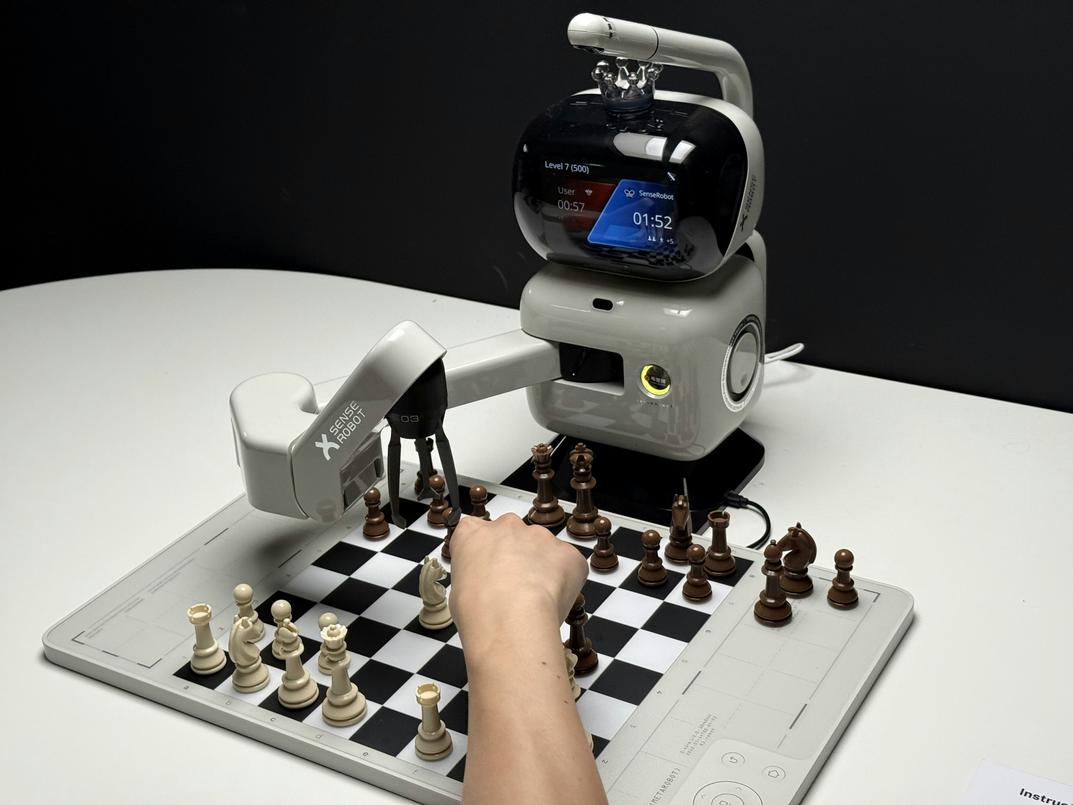
Manual QA is essential—but it’s painfully slow. Large AAA titles can require thousands of tester hours per week, yet still ship with balance issues or hidden exploits. According to a 2023 Unity report, over 60% of developers cited testing and debugging as a primary production bottleneck. Human testers simply can’t simulate every edge case (no matter how many energy drinks are involved).
The AI Solution
Enter AI agents. Using AI in game development, studios deploy bots that can:
- Play millions of matches in days
- Stress-test edge-case mechanics
- Detect physics glitches and economy exploits
DeepMind demonstrated similar large-scale simulation methods in competitive environments, proving AI can uncover non-obvious strategies faster than human teams (Nature, 2019). When applied to game testing, this means superhuman iteration speed.
Link to Loadout Optimization
By analyzing terabytes of simulated gameplay, AI flags overpowered weapon pairings, broken character synergies, or map choke points. Riot Games has publicly discussed using data modeling to balance competitive metas in titles like League of Legends.
The Result
The outcome? Faster bug fixes, smoother difficulty curves, and a fair competitive meta at launch. It’s no surprise this shift aligns with broader top gaming industry trends shaping 2026.
From concept sketches to fully rigged heroes, modern pipelines move fast. Generative AI accelerates asset creation by producing concept art, environmental textures, and multiple 3D asset variations in minutes, giving artists broader visual starting points. Instead of staring at a blank canvas, teams can iterate quickly and select what fits the game’s tone. Next, AI-assisted animation tackles repetitive work. Tools now automate in-betweening, generate clean character rigs, and simulate physics-based motion from simple inputs, reducing hours of manual tweaking. For example, a rough jump arc can become a weighty, natural leap with minimal adjustment. So where does that leave artists? Crucially, in control. Used wisely, AI in game development acts as a creative copilot, not a replacement. To get the most value, teams should: 1. Define clear style guides. 2. Curate outputs ruthlessly. 3. Reserve final polish for human judgment. Automation frees creators to focus on storytelling, emotion and moments.
The Future of Development
Modern game creation is overwhelming; systems stack on systems until even veteran teams struggle to balance them. First, recognize that AI is not the endgame but an amplifier. Used wisely, AI in game development streamlines testing, procedural design, and live balancing. Some argue automation dilutes artistry. However, when machines handle repetition, humans reclaim creative focus (and fewer 3 a.m. bug hunts).
So, invest in intelligent pipelines right now. Audit workflows, automate tedious QA loops, and prototype faster. Studios that embed smart tools at their core will craft richer, more adaptive worlds—and set tomorrow’s standard boldly.
Level Up Your Competitive Edge
You came here to sharpen your mechanics, improve your decision-making, and gain a real competitive edge. Now you have a clearer understanding of the strategies, coordination tactics, and loadout optimizations that separate casual players from consistent winners.
But knowing what to do and executing under pressure are two different things. Missed rotations, poorly synced pushes, and inefficient builds are the pain points that keep squads stuck in the same rank season after season. The difference-maker is applying these insights with discipline and refining them through structured practice.
Take what you’ve learned and put it into action today. Review your recent matches, adjust your loadouts, tighten your comms, and start training with intention. If you’re serious about climbing, dive deeper into advanced breakdowns, meta analyses, and expert strategy guides designed to give competitive players a measurable advantage.
Thousands of dedicated gamers rely on our in-depth tactical content to improve faster and win more consistently. Don’t stay stuck at your current level—start implementing these strategies now and turn your next match into proof of progress.