Ever been there? You’ve got your aim down. You’re hitting all your shots, but somehow, you’re still losing matches.
It’s frustrating, right? That’s because good aim isn’t everything in FPS games. Many players hit that annoying skill plateau and can’t figure out why.
I’ve been there, and I get it.
The real issue? Ignoring the strategic layer. We’ve dug deep into countless pro matches and coaching sessions to distill the essence of FPS games strategies into plain and actionable advice.
I promise, this isn’t just about aim. This guide is your tactical blueprint to out-think and out-play your opponents. It’s time to move beyond the basics.
Dive in with me, and I’ll show you how to turn your mechanical skill into victories through smarter, strategic gameplay. Ready? Let’s go!
Master the Mental Game: Awareness and Decision-Making
In FPS games, strategies aren’t just about pulling the trigger. The real battle happens before the first shot. How?
It’s all about superior information and decision-making. You can win or lose based on your mental map of the game.
Let’s talk about ‘Active Information Gathering.’ Sounds fancy, right? It’s really just paying attention. Listen to audio cues like footsteps or reloads.
These tell you where enemies are lurking. Use the minimap and kill feed too. They help you build a mental map of enemy positions and status.
It’s like Sherlock Holmes solving a mystery (minus the violin).
Then there’s ‘Situational Awareness.’ This means constantly asking questions. Where are the enemies? Where are my teammates?
What’s my escape route? If you don’t know these things, you’re toast.
Now, the ‘Threat Assessment Loop’ is your new best friend. Identify all threats. Prioritize the most immediate danger.
Decide whether to engage or reposition. Imagine hearing footsteps to your left while spotting an enemy on the right. You must choose: fight or flight?
Effective decision-making in FPS games is like playing chess. You need to think several moves ahead. Want another pro tip?
Check out Effective Communication Team Based Games. It’s a game-changer for team coordination.
Remember, it’s not just about reflexes. It’s about using your brain to outsmart the competition. So, are you ready to master the mental game?
Positioning: Your Secret Weapon in FPS Games
Ever wonder why some players seem untouchable? It’s all about positioning. In FPS games, positioning is power.
Put simply, good positioning forces enemies to fight on your terms. Standing out in the open? Rookie move.
Use cover, hold the high ground, and you’ll have the upper hand every time.
Let’s break down the ‘Art of Using Cover.’ It’s more than just hiding. There’s a tactical advantage in the ‘right-hand peek’. You expose less of yourself while seeing more of the enemy.
Then there’s ‘jiggle peeking’: a quick lean to gather intel without giving your position away. Use these to your advantage and isolate 1v1 fights. Trust me, it’s a game-changer.
Map control is another beast. It’s about dominating strategic points. Take a key chokepoint in search-and-destroy mode.
By holding high ground overlooking an objective, you control the flow of the game. Think of areas like ‘A-Long’ or ‘Mid.’ With these spots locked down, your team’s chances soar.
Now, let’s talk about ‘Changing Repositioning.’ Forget being a sitting duck. Got a kill? Move.
Spotted by an enemy? Move. Teammate needs backup?
Move. Staying static makes you predictable, an easy target. By repositioning, you keep opponents guessing and avoid getting traded (a) key tactic in competitive play.
New to these strategies? You might want to check out what are some key ways for improving your game. It’s not just about skills; it’s about using your brain.
These FPS games strategies can transform your playstyle from average to dominant.
Pro tip: Always have a plan. Even the best strategies fall apart without one. So next time you’re in a match, think about where you are and where you need to be.
That’s how you control every engagement.
Gunfight Tactics: Offense and Defense
When it comes to FPS games strategies, the art of executing a gunfight is all about mastering offensive and defensive maneuvers. Think of offensive tactics as playing chess with bullets. You have to be proactive, always two steps ahead.
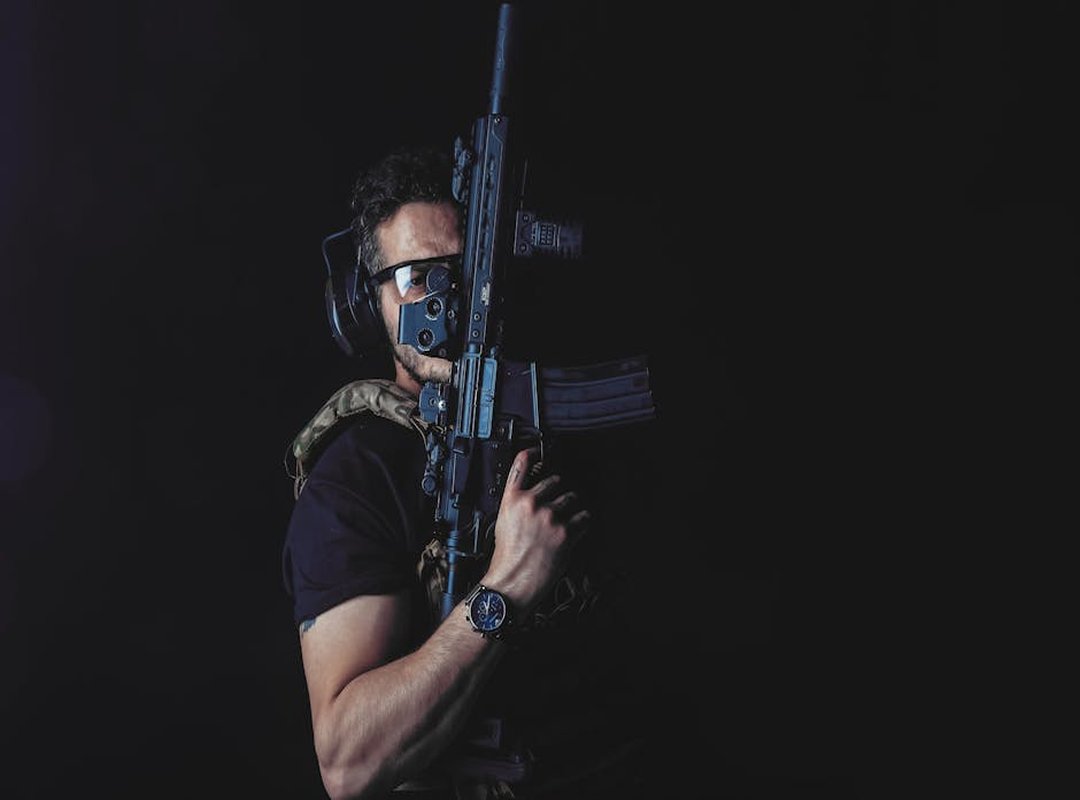
The key here is “slicing the pie.” It’s like peeling an onion, one layer at a time, as you clear corners methodically while minimizing your exposure. The smart use of utilities like flashes and grenades is clutch. They create chaos and openings for you to push into enemy positions with an advantage.
Now, let’s get defensive. Holding angles is like setting a trap in a game of cat and mouse. The common “default” angle is predictable, yes, but it’s safe.
An off-angle, on the other hand, is the wild card. It can catch an aggressive player off guard, like a plot twist in a thriller. But here’s the trick (trigger) discipline.
Don’t shoot the second you see an enemy. Wait. Patience is your ally; it keeps your position under wraps.
Now, you can’t talk about FPS tactics without mentioning “Baiting and Switching.” It’s like a magic trick. One player draws attention, making noise or showing themselves. Meanwhile, a teammate sneaks in for the easy kill from a different angle.
It’s a clever dance between individual play and teamwork. Does this sound like something that could improve your game? You might want to learn more about improving reflexes in competitive gaming.
Executing these maneuvers isn’t just about reflexes. It’s about plan, timing, and a bit of psychology. Know when to push and when to hold back.
Master these, and you’ll find yourself dominating the battlefield more often than not. Remember, practice is key (just) like any skill worth having.
Squad Up: Important Team Coordination Tactics
Winning isn’t just about shooting straight (though that’s key too). Teamwork at higher levels is where the magic happens in FPS games strategies. You can’t just rely on lone-wolf tactics. Let’s talk communication.
The ‘3 Cs’: Clear, Concise, and Calm. You don’t want to hear “He’s over there!” when “One enemy, Catwalk, low HP” paints a precise picture. Ever been in a game where everyone’s yelling?
It’s chaos.
Now, trading. It’s not about stocks. It’s positioning.
Stay close enough to your teammate so if they’re taken out, you can immediately respond. Keeps the fight even. You don’t want to be caught off guard, right?
Utility combo is another facet. Picture this: one player uses a smoke grenade strategically to block a sightline. Then, another throws a flash through it.
A combo that blinds enemies on the other side. It’s all about working together. Do you see how this amplifies individual skills?
I’ve been there. Mid-game, a well-timed flash saved our team. It’s about these moments.
If you’re not using these tactics, you’re missing out. Start coordinating like this, and those wins will stack up. It’s a game changer.
Level Up Your Game Tactics
Breaking through a skill plateau isn’t just about reflexes. It’s about smarter play. Layering situational awareness, superior positioning, and team coordination on top of your mechanics guarantees more wins.
You want consistent victory? FPS games strategies are your ticket. Pick one tactic (like) ‘slicing the pie’ or playing for trades. Practice it in your next five games.
See improvement. Trust me, it works. Ready to dominate your opponents?
Dive into these strategies and transform your gameplay now.
 Brian Gibsonestico is the kind of writer who genuinely cannot publish something without checking it twice. Maybe three times. They came to core mechanics and gaming basics through years of hands-on work rather than theory, which means the things they writes about — Core Mechanics and Gaming Basics, Hot Topics in Gaming, Gamer Squad Coordination Tactics, among other areas — are things they has actually tested, questioned, and revised opinions on more than once.
That shows in the work. Brian's pieces tend to go a level deeper than most. Not in a way that becomes unreadable, but in a way that makes you realize you'd been missing something important. They has a habit of finding the detail that everybody else glosses over and making it the center of the story — which sounds simple, but takes a rare combination of curiosity and patience to pull off consistently. The writing never feels rushed. It feels like someone who sat with the subject long enough to actually understand it.
Outside of specific topics, what Brian cares about most is whether the reader walks away with something useful. Not impressed. Not entertained. Useful. That's a harder bar to clear than it sounds, and they clears it more often than not — which is why readers tend to remember Brian's articles long after they've forgotten the headline.
Brian Gibsonestico is the kind of writer who genuinely cannot publish something without checking it twice. Maybe three times. They came to core mechanics and gaming basics through years of hands-on work rather than theory, which means the things they writes about — Core Mechanics and Gaming Basics, Hot Topics in Gaming, Gamer Squad Coordination Tactics, among other areas — are things they has actually tested, questioned, and revised opinions on more than once.
That shows in the work. Brian's pieces tend to go a level deeper than most. Not in a way that becomes unreadable, but in a way that makes you realize you'd been missing something important. They has a habit of finding the detail that everybody else glosses over and making it the center of the story — which sounds simple, but takes a rare combination of curiosity and patience to pull off consistently. The writing never feels rushed. It feels like someone who sat with the subject long enough to actually understand it.
Outside of specific topics, what Brian cares about most is whether the reader walks away with something useful. Not impressed. Not entertained. Useful. That's a harder bar to clear than it sounds, and they clears it more often than not — which is why readers tend to remember Brian's articles long after they've forgotten the headline.